
What Is a Dental Crown?
Dental crowns are almost exactly the way they sound: a crown, or cap, for your tooth. A dental crown covers the visible portion of a damaged or weakened tooth to help restore its shape, strength, and appearance.
Crowns may be used for both restorative and cosmetic purposes and can also play an important role in replacing missing teeth when used with dental bridges or implants.
Reasons for Dental Crowns
Here are some of the reasons you may need a dental crown:
-
A tooth that is broken or fractured
-
Decayed teeth
-
Cosmetic concerns
-
Large or fractured fillings
-
A tooth that has undergone root canal treatment
Your provider will consider how much healthy tooth structure remains, the tooth’s location, and the forces placed on it when recommending treatment.
The Benefits of Dental Crowns
A dental crown can be used for various reasons, including covering discolored or misshapen teeth and in conjunction with bridges and dental implants.
Other benefits of dental crowns may include:
-
Holding a cracked tooth together to help prevent further damage
-
Covering and supporting a tooth with a large filling
-
Restoring a broken or worn tooth
-
Improving the shape or appearance of a damaged tooth
-
Protecting a tooth that has been weakened by decay or treatment
The goal is to restore the tooth in a way that supports both function and appearance.
What Happens During the Dental Crown Procedure?
The dental crown process often takes place in two phases or appointments.
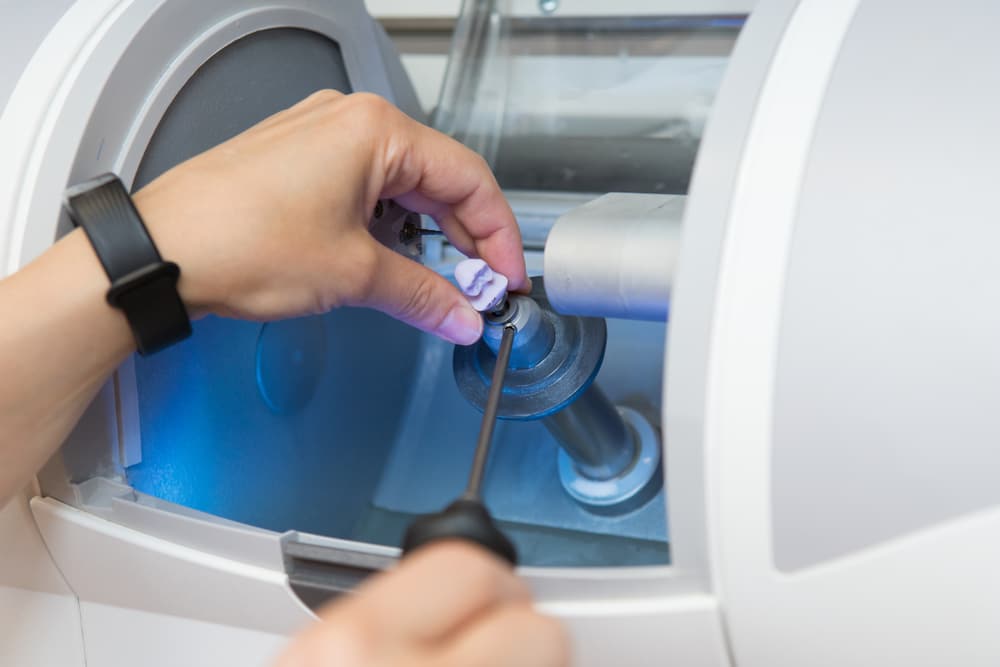
At the first appointment, the tooth is prepared by filing or reshaping it so the crown can fit securely and comfortably. The area around the tooth may be numbed throughout the procedure with a local anesthetic. After the tooth is prepared, the dentist takes an impression or digital record of the teeth and gums. This information is used to create a custom crown designed to fit your bite and coordinate with the surrounding teeth. Patients may be given a temporary dental crown until the permanent restoration is ready.
At the second appointment, the new crown is inspected for proper fit, bite, and tooth color. The temporary crown is then removed, and the new one is secured onto the tooth.
The exact process may vary depending on the type of crown and treatment technology being used.
Types of Dental Crowns
There are several different methods of crown restoration, each using different materials. Your dentist can recommend a material based on the tooth’s location, appearance, strength requirements, and overall treatment goals.
Metal Crowns
Metal crowns are made from metal alloys that may include gold or other materials. Compared with some other crown types, they can preserve more tooth structure and withstand biting and chewing forces well.
The primary drawback is their metallic appearance, which makes them less desirable for highly visible teeth.
Porcelain-Fused-to-Metal Crowns
Porcelain-fused-to-metal, or PFM, crowns combine a metal base with a tooth-colored porcelain exterior. They can match the surrounding teeth while providing the strength of an underlying metal structure.
In some cases, the metal beneath the porcelain may create a darker line near the gumline. The porcelain portion may also chip or wear over time.
Resin Crowns
Resin crowns can provide a tooth-colored appearance but may be more susceptible to wear, chips, or fractures than some other crown materials.
The suitability of resin depends on where the crown is placed and how much bite pressure it must withstand.
Ceramic or Porcelain Crowns
Ceramic and porcelain crowns are often selected when a natural-looking appearance is a high priority. Their color and translucency can be designed to resemble natural enamel, making them especially useful for visible teeth.
Strength characteristics vary depending on the specific ceramic material used, so your provider will consider both appearance and function when selecting the restoration.
What Problems Can Occur With Dental Crowns?
Some patients experience increased sensitivity immediately after the procedure, particularly if the crowned tooth still has a living nerve. Temporary sensitivity to heat or cold may improve as the tooth adjusts.
Other complications that may occur with dental crowns include:
-
Pain or sensitivity when biting: This may mean that the crown is sitting slightly too high in the bite. If so, the dentist may be able to correct the problem by adjusting the crown.
-
A chip in a porcelain crown: A small chip may be repairable, while more extensive damage may require replacing the crown. Your dentist can evaluate the restoration and recommend the appropriate solution.
-
A loose dental crown: A crown can become loose if the cement weakens or if the underlying tooth changes. Have a loose crown evaluated promptly so your provider can determine whether it can be resecured or needs to be replaced.
-
A crown that falls off: If a dental crown falls off entirely, contact your dentist as soon as possible. The crown may be replaceable, or you may need a new restoration.
How Long Do Dental Crowns Last?
Dental crowns are designed to provide long-term restoration, but their lifespan varies from patient to patient. Longevity can depend on the crown material, oral hygiene, bite forces, grinding or clenching habits, and the condition of the underlying tooth.
Patients can help protect their crowns by brushing and flossing consistently, attending regular dental visits, and avoiding habits such as chewing ice or using the teeth to open objects.
Routine examinations also give your provider a chance to check the crown for wear, loosening, or changes around the gumline.
Why Choose Emerald Dental or McCall Dental for Dental Crowns?
Restoring a damaged tooth requires more than simply covering it. The crown should fit comfortably, function properly within the bite, and blend naturally with the surrounding smile.
Dr. Matin has pursued advanced continuing education in restorative and aesthetic dentistry, including comprehensive training in occlusion and smile design through The Hornbrook Group Advanced Clinical Education. Her experience also includes full-mouth rehabilitation and implant-related restorative care, which can be especially helpful when a crown is part of a larger treatment plan.
At Emerald Dental and McCall Dental, your dentist can evaluate the tooth, explain available crown materials, and help you understand why a particular restoration may be recommended. The practices also emphasize making treatment feel manageable for patients who may have dental anxiety or concerns about restorative procedures.
Restore a Damaged Tooth in Oceanside or Sun City, CA
A dental crown can help protect a weakened tooth, restore function, and improve the appearance of your smile. Your provider can determine whether a crown is appropriate and discuss the material and treatment approach that best fit your needs. Call Emerald Dental in Oceanside, CA at 760.722.0137 or McCall Dental in Sun City, CA at 951.723.1188 to schedule a consultation for dental crowns.